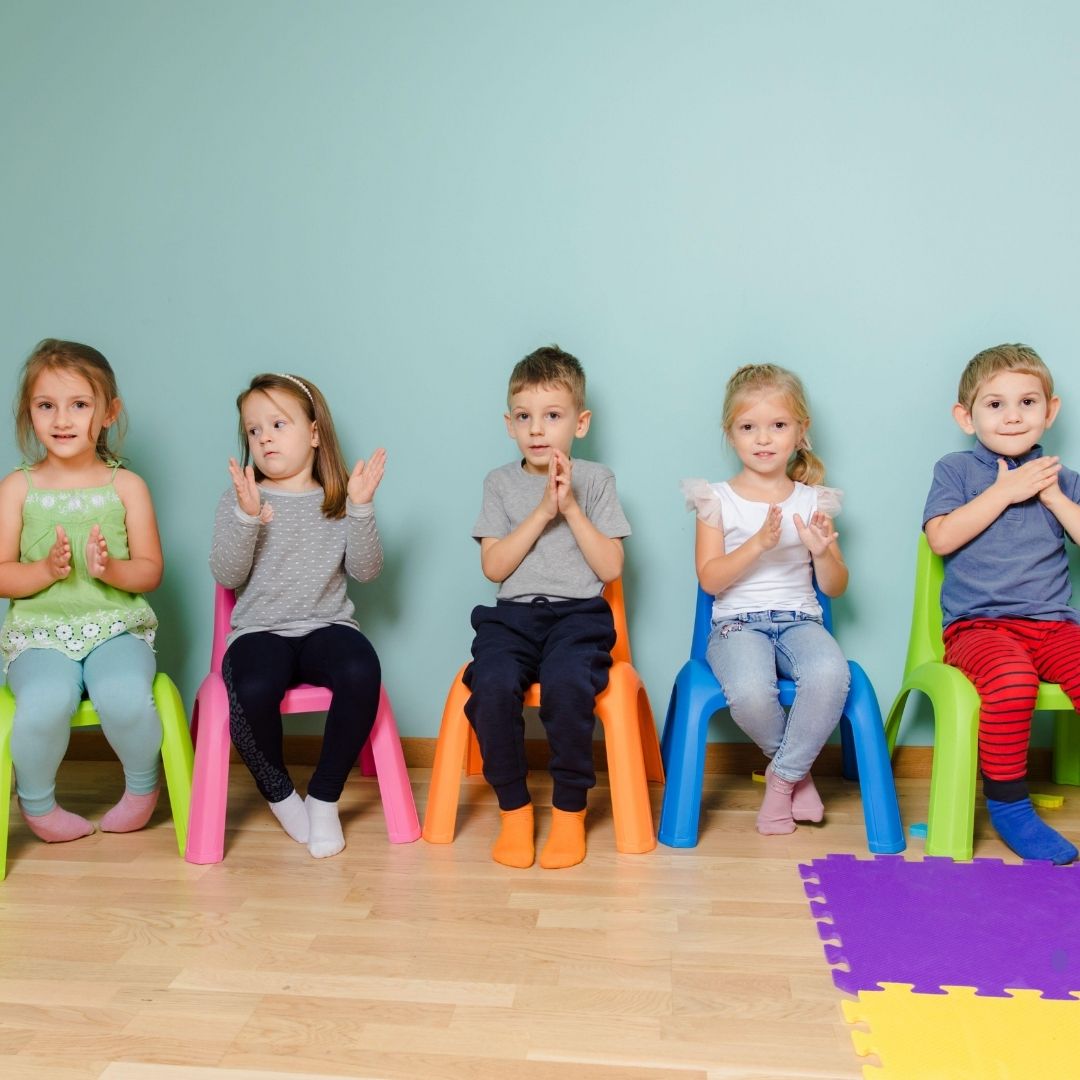
When Sitting Becomes the Hardest Part of the Lesson
- Posted by Rachael Hartless
- Categories Gross Motor development, Starting School, Writing
A question that made me think…
During a recent lecture, a trainee occupational therapist asked me something that genuinely made me pause:
“Do you think the centre of gravity plays a role in why boys often struggle more with sitting and fine motor tasks?”
It’s an interesting question.
I talk a lot about posture.
I talk about movement.
I talk about core strength, shoulder stability and building the foundations needed for writing.
But centre of gravity?
It’s not something I had really thought about in those terms before.
So I went away and did what I always encourage others to do — I looked at the research, reflected on what I see in classrooms every week, and tried to join the dots.
What I found wasn’t a simple answer.
But it did highlight something important about how young children’s bodies develop — and what we ask them to do in classrooms.
When do we learn to sit well?
Just like many other developmental skills, sitting well doesn’t suddenly appear.
Between the ages of 3 and 6, children are still developing:
Balance
Postural control
Core strength and endurance
Body awareness
Research looking at balance and motor development in preschool children shows that these skills improve steadily across these years. But they don’t all develop at the same time.
A child may run confidently, climb, and move constantly — but still find it difficult to sit upright and still for long periods.
That’s because moving and staying still rely on slightly different systems.
Static balance (keeping still) develops alongside dynamic balance (movement), but they are not exactly the same skill.
Sitting isn’t passive
We often think of sitting as a resting position.
But for young children, it really isn’t.
To sit upright on a chair requires:
Pelvic stability
Core endurance
Constant small adjustments for balance
Hips comfortable at roughly a 90° angle
Feet supported to create a stable base
And children are expected to do all of this while they are also listening, thinking, learning and often writing.
That’s quite a lot for a young body.
Young children also have different body proportions compared with adults. Their heads are proportionally larger and their centre of mass sits slightly higher. This means maintaining balance requires more active control.
So when posture is still developing, sitting well can be surprisingly hard work.
What are we asking children to do?
In Reception and Year 1 classrooms, children are often expected to:
Sit upright on a chair
Remain relatively still
Listen carefully
Process language
Hold and control a pencil
Focus attention
Regulate their behaviour
All at the same time.
When posture isn’t yet efficient, the body works harder to maintain it.
And when the body works harder, fatigue comes sooner.
Fatigue can look like:
Fidgeting
Sliding down the chair
Leaning heavily on the desk
Wrapping legs around chair legs
Constant position changes
Often what we label as distraction is actually the body trying to regulate itself.
Why does this sometimes show up more in boys?
Research looking at postural stability in childhood suggests that, on average, girls often demonstrate slightly more stable postural control earlier than boys.
This doesn’t mean boys are less capable.
It simply means that some boys are still developing the trunk control and endurance that make sitting appear easy.
In practice, I often see:
Boys who concentrate beautifully when movement is built in
Boys who write well in short bursts but fatigue quickly
Boys who appear restless on chairs but highly engaged during active learning
The difference isn’t intelligence.
It’s physical load.
Chair fit matters more than we think
Another interesting area of research looks at school furniture.
Several studies have found that classroom chairs often don’t match children’s body dimensions particularly well.
When chairs are too high and feet are not properly supported:
The base of support disappears
Trunk muscles work harder
Postural endurance drops
Feet provide stability.
Remove that stability and the body compensates — often through movement.
What about children aged 3–6?
When I looked specifically at research on younger children, one thing became very clear.
Postural control is still developing across these years.
Studies examining balance in preschool children show steady improvements between the ages of three and six, but these systems are still refining themselves.
Research exploring sedentary behaviour has also found that higher levels of prolonged sitting in early childhood are associated with lower motor competence.
Because of this, the World Health Organization recommends that young children should not remain sedentary for long uninterrupted periods.
There isn’t a simple rule saying how long a five-year-old should sit.
But developmentally, these are years where:
Balance is still improving
Postural endurance is still building
Movement is still an important part of learning
Why does this matter for writing?
Writing does not begin in the fingers.
It begins in the core and hips.
Efficient fine motor control depends on:
Stable trunk
Organised shoulders
Reduced postural effort
If a child is using most of their energy simply trying to stay upright, there is less capacity left for precision, attention and endurance.
What can look like poor fine motor skills can sometimes be postural fatigue in disguise.
So does centre of gravity matter?
Yes — but only as part of a much bigger picture.
Young children’s body proportions do influence balance and posture.
But sitting ability is also shaped by:
Muscle and nerve development
Postural endurance
Sensory processing
Furniture fit
Classroom expectations
When sitting demands increase before postural systems are fully efficient, some children will struggle.
And those struggles are often misinterpreted.
What can we do?
This isn’t about lowering expectations.
It’s about making expectations achievable.
Ensure children’s feet are supported
Allow small postural adjustments
Build movement before writing tasks
Use vertical surfaces to support trunk control
Keep writing tasks short and focused
When posture improves, handwriting often follows.
When regulation improves, attention often follows.
Instead of asking:
“Why won’t he sit still?”
Try asking:
“What is his body trying to manage?”
Because sometimes the wriggle isn’t defiance.
It’s information.
You may also like
What Makes a Sentence? How Colourful Semantics Helps Children Become Confident Writers
If I asked you, “What is a sentence?”, what would you say? It’s a question we were asked ourselves as teachers when we were learning about an approach called Colourful Semantics. Have a think before you read on! Many adults, …

Clap, Tap and Stomp: Fun Ways to Explore Syllables